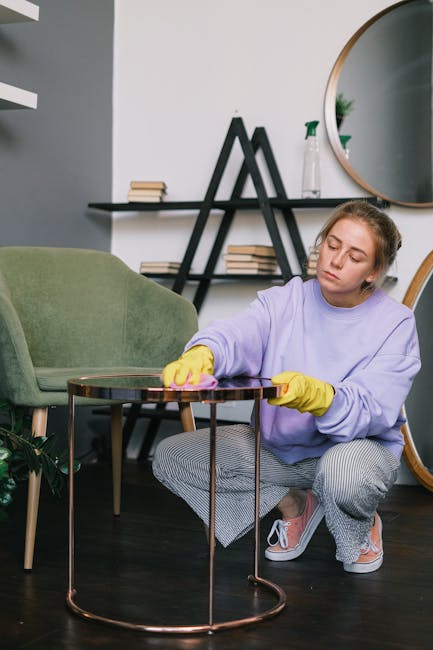
The Chase upholstery cleaning tips for Collier Row residents
If you live on The Chase or nearby in Collier Row, upholstery tends to pick up life in a very ordinary, very visible way: tea rings on the armchair, a faint pet smell in the sofa, crumbs in the seat seams, and that dull patch where everyone sits after school or work. The good news? A lot of the damage that makes fabric look tired can be slowed down, managed, or even prevented with the right routine. This guide to The Chase upholstery cleaning tips for Collier Row residents is designed to help you keep sofas, chairs, and soft furnishings fresher for longer, without making the process more complicated than it needs to be.
You will find practical cleaning steps, what to do before you reach for any product, when a spot clean is enough, and when it makes more sense to book a professional service such as upholstery cleaning or, for larger fabric pieces, sofa cleaning. Truth be told, most upholstery problems start small. Catch them early, and life gets a lot easier.
One quick note: not every fabric likes the same treatment. That sounds obvious, but plenty of people learn it the hard way after one over-wet clean and a day of regret. Let's keep you out of that mess.
Table of Contents
- Why The Chase upholstery cleaning tips for Collier Row residents Matters
- How The Chase upholstery cleaning tips for Collier Row residents Works
- Key Benefits and Practical Advantages
- Who This Is For and When It Makes Sense
- Step-by-Step Guidance
- Expert Tips for Better Results
- Common Mistakes to Avoid
- Tools, Resources and Recommendations
- Law, Compliance, Standards, or Best Practice
- Options, Methods, or Comparison Table
- Case Study or Real-World Example
- Practical Checklist
- Conclusion
- Frequently Asked Questions
Why The Chase upholstery cleaning tips for Collier Row residents Matters
Upholstery is one of those things you stop noticing until it starts looking a bit flat, grey, or sticky. In a busy home, the damage is gradual. Drinks spill, skin oils transfer, crumbs settle in folds, and dust works its way into the weave. On The Chase, where many homes are lived-in and properly used rather than treated like showrooms, that everyday wear can build up fast.
Why does this matter? Because upholstery affects the whole feel of a room. A clean sofa can make the lounge look brighter and smell fresher. A grubby one can drag everything down, even if the carpet is spotless. That's especially true in smaller front rooms, family spaces, and open-plan areas where furniture is the visual centre of the room.
There's also a comfort angle. Upholstery that has trapped dust or old spill residue can feel slightly tacky or stiff, and soft furnishings that are never properly maintained can start to hold onto odours. If you have children, pets, or guests popping in often, you'll notice the difference quickly after a proper clean. Maybe a bit too quickly, actually, because then you start noticing every tiny mark.
For Collier Row residents, the practical point is simple: good upholstery care is not about chasing perfection. It is about keeping fabrics healthier, extending their life, and avoiding costly replacement before it is needed.
Expert takeaway: The best upholstery care is usually a mix of regular light maintenance, prompt spot treatment, and the occasional deep clean when the fabric needs more than a quick refresh.
How The Chase upholstery cleaning tips for Collier Row residents Works
The basic process is easier than most people expect. Upholstery cleaning works by removing loose soil first, then dealing with stains, then lifting embedded grime from the fibres with the least moisture necessary. That order matters. If you wet fabric before removing dust and grit, you can turn dry dirt into a muddy smear. Not ideal.
A sensible approach normally includes:
- Checking the care label so you know whether the fabric can tolerate water-based cleaning, solvent-based treatment, or only professional attention.
- Vacuuming thoroughly to remove dust, crumbs, hair, and grit from seams and corners.
- Testing any cleaner on a hidden area first, because colours and fibres can react differently.
- Spot-treating stains carefully rather than soaking the whole panel.
- Drying properly with airflow and patience, not with heavy heat blasted straight at the fabric.
That is the basic home version. A professional clean goes deeper by using fabric-appropriate methods and equipment designed to lift embedded soil more evenly. For many homes, a professional visit is a good option after a winter of heavy use, before hosting family, or after a spill that has already settled in.
If you want a broader view of how fabric care fits into home maintenance, it can help to look at related services like carpet cleaning and mattress cleaning, because the same logic applies: remove dry soil, treat marks carefully, and avoid over-wetting.
Key Benefits and Practical Advantages
Good upholstery care gives you more than a cleaner-looking sofa. The benefits stack up in ways that are easy to feel day to day.
- Better appearance: fabrics look brighter, less tired, and more inviting.
- Longer fabric life: grit and sticky residue can wear fibres down over time, so removing them helps preserve the material.
- Reduced odours: upholstery can hold cooking smells, pet odours, and dampness, especially in winter when windows stay shut.
- More comfortable seating: clean fabric feels softer and less grimy to the touch.
- Improved home hygiene: regular vacuuming and stain control reduce the build-up of dust and allergens in soft furnishings.
- Better value for money: keeping a good sofa in use is usually cheaper than replacing it early.
There's also a psychological benefit that people underestimate. A freshly cleaned sofa just makes the room feel sorted. You sit down, the air feels lighter, and somehow the whole place seems calmer. Small thing, maybe. But not really small if you live with it every day.
For households with pets or frequent visitors, cleaner upholstery also means you can relax a bit when someone drops by. No one enjoys apologising for a lingering smell from six months ago.
Who This Is For and When It Makes Sense
This advice is useful for plenty of Collier Row homes, but it matters most if your furniture gets regular use. If any of these sound familiar, you are probably overdue a proper upholstery routine:
- families with children who snack on the sofa
- homes with cats or dogs
- rented properties where presentation matters
- people who work from home and spend long hours on the same chair
- households that entertain often
- older fabric furniture that needs protection from wear and tear
It also makes sense if you have recently dealt with a spill, especially coffee, wine, juice, gravy, or pet accidents. The sooner you act, the better the odds of a clean result. Leave it too long and the stain can oxidise, dry in, or sink deeper into the padding.
Professional help becomes especially sensible when:
- the fabric is delicate or you are not sure what it is made from
- a stain has already set
- there is a strong odour that will not shift with ventilation alone
- you want a fuller refresh before guests arrive or a property changes hands
- the item is valuable, antique, or sentimental
In those cases, it is often better to choose a specialist service such as stain removal rather than experimenting and hoping for the best. Hope is not a method, as they say.
Step-by-Step Guidance
Here is a practical home-care routine you can follow for most everyday upholstery maintenance. Keep it calm. Keep it simple.
1. Read the fabric care label
Before you clean anything, check the label. It usually tells you whether the fabric can be cleaned with water, needs solvent cleaning, or should only be cleaned by a professional. If you cannot find the tag, inspect the underside or a hidden seam. Do not guess if the fabric looks unusual, textured, or very old.
2. Vacuum slowly and thoroughly
Use a brush attachment and work into seams, piping, folds, and beneath cushions. You are not just picking up crumbs. You are removing grit that rubs against fibres every time someone sits down. That friction is one of the main reasons upholstery looks worn sooner than expected.
3. Deal with loose debris first
Pick up food crumbs, pet hair, and anything obvious by hand or with vacuum suction. If you skip this and go straight to wet cleaning, you risk spreading particles around the fabric. A little boring, yes. Also essential.
4. Test a hidden patch
Apply a tiny amount of your chosen cleaner to a discreet area, then wait for the fabric to dry. Watch for colour transfer, water rings, stiffening, or changes in texture. If anything looks wrong, stop. Better a small patch test than a big patch of regret.
5. Treat stains gently from the outside in
Blot, do not rub. Use a clean white cloth and work from the outer edge of the mark towards the centre. This stops the stain spreading. For sticky spots, lift residue carefully with a cloth slightly dampened with the right solution, rather than soaking the whole area.
6. Use minimal moisture
Upholstery should not feel drenched. Excess moisture can leave tide marks, encourage odour, and make the filling underneath slow to dry. In a London home, where the weather is not exactly always helping, drying time matters more than people think.
7. Rinse lightly if needed
If the cleaner requires a follow-up wipe, use plain water sparingly on a cloth. Again, keep it controlled. The goal is to remove residue, not to create another problem.
8. Dry with airflow
Open windows if conditions allow, use a fan if appropriate, and keep the room ventilated. Avoid sitting on the furniture until it is fully dry. A slightly damp sofa feels strangely tempting, but it is a bad idea.
9. Finish with a final vacuum
Once dry, vacuum again to lift fibres and restore a more even finish. That last pass can make the upholstery look noticeably better, especially on brushed or woven fabrics.
Expert Tips for Better Results
A few small habits make a surprisingly big difference.
- Act within minutes, not hours, for fresh spills. The first five to ten minutes often matter most.
- Use white cloths instead of coloured ones. Dye transfer is a nuisance nobody needs.
- Keep your cleaner simple. Mild, fabric-safe solutions are often better than strong products with lots of fragrance.
- Work in sections. This helps you avoid uneven cleaning lines.
- Lift cushions and clean underneath. You will usually find a small collection of crumbs, lost coins, and one mysterious thing that nobody remembers owning.
- Don't overdo fragrance. A strong perfume smell can mask dirt without solving it.
- Schedule periodic deep cleaning. Even good day-to-day maintenance only goes so far.
One useful rule of thumb: if you can smell the problem before you can see it, the stain or spill has probably reached deeper into the fabric or padding. At that point, standard blotting may not be enough.
For pet households, it can also help to pair upholstery care with dedicated pet stain odour removal when the issue is more than a surface mark. Pets are lovely. Their little surprises, less so.
Common Mistakes to Avoid
Most upholstery damage from cleaning happens because people mean well and move too fast. The following mistakes are common, and avoidable.
- Rubbing stains aggressively and driving them deeper into the weave.
- Using too much water, which can leave rings, shrinkage, or padding issues.
- Ignoring the care label because the fabric "looks sturdy enough". That phrase causes trouble.
- Mixing cleaning products without knowing how they react together.
- Cleaning only the stain and forgetting the surrounding area, which can create a visible patch after drying.
- Using heat too early on delicate fabric, especially with hairdryers on high settings.
- Leaving cushions upside down or stacked wet, slowing drying and encouraging odour.
Another subtle mistake is cleaning a sofa and then using it too soon. Sitting on a still-damp armrest can flatten the pile and reintroduce dirt from clothing. Annoying, but very avoidable.
Tools, Resources and Recommendations
You do not need a cupboard full of specialised products to care for upholstery properly. A small, sensible kit goes a long way.
| Tool or item | Why it helps | Best use |
|---|---|---|
| Vacuum with brush attachment | Removes dust, crumbs, and hair from seams and edges | Weekly maintenance |
| Clean white microfibre cloths | Useful for blotting without dye transfer | Spot cleaning and drying |
| Soft upholstery brush | Lifts surface dirt from textured fabric | Dry pre-clean |
| Mild fabric-safe cleaner | Targets small marks without harsh residue | Light stain treatment |
| Fan or good airflow | Speeds drying and reduces lingering damp | After cleaning |
If you are unsure which cleaner to use, keep it conservative. A gentle product is usually safer than something aggressive that promises miracles. Miracles are rarely fabric-friendly.
When the item is a sofa, a settee, or a sectional that gets heavy use, it may be worth exploring sofa cleaning for a deeper reset rather than relying on home spot work alone. If you also have drapes nearby that trap smells, curtain cleaning can help the whole room feel fresher at once.
Law, Compliance, Standards, or Best Practice
For most homeowners, upholstery cleaning is not a heavily regulated activity in the way some trades are. Still, there are sensible best-practice expectations worth keeping in mind. In the UK, anyone carrying out cleaning work professionally should use suitable equipment, take reasonable care with chemicals, and follow clear health and safety practices. That means checking product instructions, protecting surfaces, and not treating delicate furniture like a test bench.
If you hire a cleaner, a few trust signals are worth looking for: clear communication, appropriate insurance, transparent pricing, and a sensible approach to fabric safety. That last one matters a lot. A cautious professional who says a fabric needs testing first is usually being careful, not awkward.
It is also reasonable to ask how they handle drying, what products they use, and whether they can adapt to sensitive fabrics. If you want to understand how a provider approaches these issues, pages such as insurance and safety, health and safety policy, and terms and conditions can give you a clearer picture of their working standards.
For anyone comparing service options, responsible pricing is also part of best practice. A proper quote should explain what is included, what may cost extra, and any limits tied to fabric condition or access. If that matters to you, the pricing and quotes page is the kind of place to look first.
Options, Methods, or Comparison Table
There are several ways to approach upholstery care, and the best one depends on the fabric, the stain, and how much time you have. Here is a simple comparison.
| Method | Best for | Pros | Limitations |
|---|---|---|---|
| Regular vacuuming | Weekly maintenance and dust control | Quick, cheap, prevents build-up | Won't remove stains or deep grime |
| Spot cleaning at home | Fresh spills and small marks | Fast and targeted | Risk of rings or over-wetting if done badly |
| Hand-cleaning with fabric-safe products | Light refreshes on suitable materials | Good for controlled treatment | Can still be uneven if rushed |
| Professional upholstery cleaning | Embedded dirt, odours, larger pieces, or delicate items | Deeper, more even result; more fabric-aware | Costs more than DIY and needs scheduling |
For many Collier Row households, the sweet spot is a mix of all four. Keep up with vacuuming, treat small stains quickly, and bring in professional help when the fabric starts looking dull across the whole surface rather than just in one spot. That is often the moment people realise, oh, it is not one mark anymore, it is just the sofa.
Case Study or Real-World Example
A common local scenario goes like this. A family on The Chase has a pale fabric corner sofa that slowly starts to look patchy. There is a tea mark on one seat, a bit of pet odour near the arm, and a general greying in the main seating area. Nothing dramatic on its own. Put together, though, it makes the room feel tired.
The first step is not scrubbing everything at once. It is a sensible reset:
- vacuum the sofa thoroughly, including under cushions and along the seams
- test a cleaner on a hidden patch
- treat the tea mark carefully with blotting rather than rubbing
- deal with the pet smell using a targeted odour approach
- allow full drying with windows open and a fan for circulation
If the sofa still looks uneven after that, the owner may decide it needs a full professional clean rather than another round of DIY trial and error. That is often the better call. Not because home cleaning is useless, but because some fabrics really do benefit from a trained eye and better equipment.
And honestly, there is a nice feeling when the room turns a corner. The sofa stops being something you avoid noticing and goes back to being the thing everyone naturally gathers around.
Practical Checklist
Use this checklist before and after you clean upholstery at home.
- Check the care label or fabric instructions.
- Vacuum the entire piece, including seams and under cushions.
- Identify stains before cleaning anything wet.
- Test all products on a hidden area.
- Use a clean white cloth for blotting.
- Work gently from outside the stain inward.
- Avoid soaking the fabric.
- Let the item dry fully before use.
- Vacuum again once dry to restore texture.
- Book a professional clean if the fabric is delicate, heavily soiled, or still smells after drying.
A small habit worth adopting: keep a note of any fabric tags, product used, and what worked. It saves time later, especially if the same stain type appears again. Which it probably will, because life.
Conclusion
For Collier Row residents, good upholstery care is really about consistency, not perfection. The Chase upholstery cleaning tips for Collier Row residents in this article are designed to help you keep things fresh without making the task feel daunting. Start with vacuuming, treat spills early, respect the fabric, and do not rush the drying. Those four habits alone will prevent a lot of damage.
If your upholstery is already looking tired, if an odour has settled in, or if you simply want a more thorough result, professional cleaning can be a smart next step. It saves guesswork, protects the fabric, and often brings the room back to life in a way that is hard to match with home methods alone. Simple as that.
Get a free quote today and see how much you can save.
Clean furniture does more than look nice. It quietly makes home feel like home again.
Frequently Asked Questions
How often should Collier Row residents clean upholstery?
For most homes, light vacuuming once a week and a deeper clean every so often is a sensible routine. High-use sofas, pet-friendly homes, and lighter fabrics may need attention more often.
Can I use a steam cleaner on upholstery?
Not always. Some fabrics tolerate steam well, but others can shrink, stain, or become distorted. Always check the care label first, and if you are unsure, test carefully or use a professional upholstery service.
What is the best way to remove a fresh spill from a sofa?
Blot it immediately with a clean white cloth, working from the outside towards the middle. Avoid rubbing, because that usually spreads the mark and pushes liquid deeper into the fabric.
How do I get rid of pet smells in upholstery?
Vacuum first, then treat the source area carefully with a fabric-safe odour solution. If the smell has reached the filling, a deeper clean or dedicated pet stain odour treatment is usually needed.
Will upholstery cleaning remove every stain?
Not always. Some stains set permanently, especially if they have been left for a long time or if the fabric was cleaned the wrong way first. A good result is often improved appearance rather than a perfect reset.
Is professional upholstery cleaning worth it?
Usually yes, if the item is heavily used, stained, delicate, or expensive to replace. It can also be better value than buying new furniture earlier than you planned.
How long does upholstery take to dry?
That depends on the fabric, the method, the weather, and ventilation. Light cleaning may dry fairly quickly, while deeper cleaning can take longer. Good airflow always helps.
What should I do before a cleaner arrives?
Clear the area around the furniture, remove loose items and cushions if requested, and point out any stains, wear, or fragile sections. The more information you give, the better the result usually is.
Can upholstery cleaning help allergies?
It can help reduce built-up dust and debris in fabrics, which is useful for many households. It is not a medical treatment, of course, but keeping soft furnishings cleaner can make the room feel fresher and less dusty.
Are all upholstery fabrics cleaned the same way?
No, and that is where people often go wrong. Cotton, wool blends, synthetics, velvet, and antique fabrics all behave differently. The care label and fabric type should always guide the method.
What is the safest home method for general maintenance?
Regular vacuuming with a brush attachment is the safest and most effective everyday habit. It removes loose soil before it settles deeper into the fabric.
When should I stop trying DIY cleaning and call a professional?
If the stain spreads, the fabric changes colour, the odour stays after drying, or the item is made from a delicate material, it is usually time to stop. A professional clean can prevent a small mistake from becoming a bigger one.